
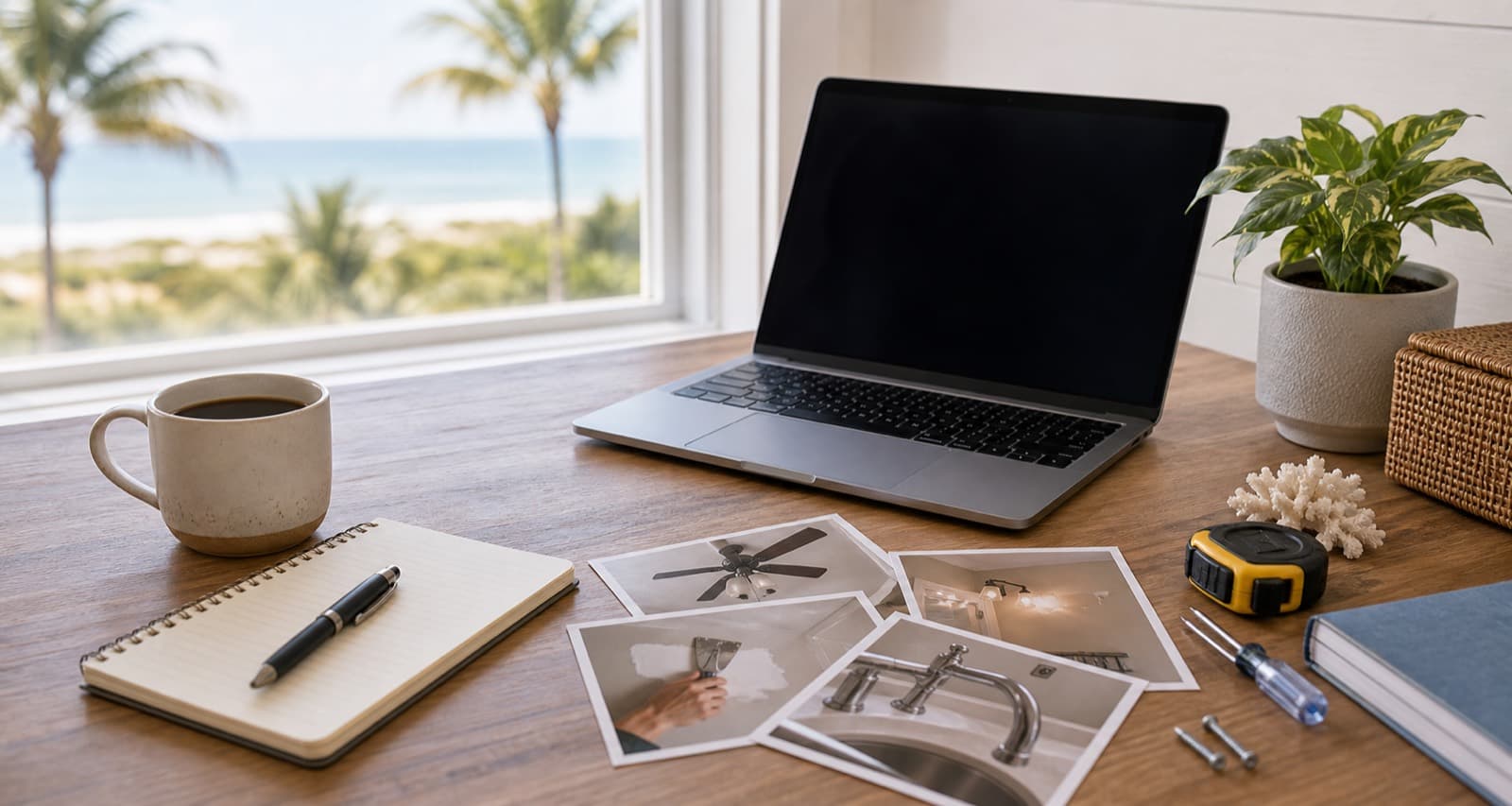
Florida humidity affects more than comfort. It can cause drywall cracks, sticky doors, peeling paint, and corroded fixtures. Here is what to watch for at home.
Florida humidity is not just uncomfortable. Over time, it changes how homes wear down. In Palm Bay and across the Space Coast, heat and moisture can show up as cracked drywall seams, sticky doors, peeling paint, and fixtures that corrode faster than they should.
A lot of homeowners see these problems as isolated annoyances, but they often come from the same source: moisture movement, seasonal expansion, and the coastal environment. The sooner you spot the pattern, the easier it is to stop minor damage from spreading.
Drywall Problems Caused by Humidity
Drywall can swell, crack, stain, or soften when humidity is high or when moisture gets into the wall cavity. In Florida homes, you may notice nail pops, seam cracks, or bubbling near bathrooms, kitchens, and window areas. These are not always major structural issues, but they do tell you something is changing behind the surface.
Doors That Stick or Swell
When humidity rises, wood doors and frames can expand. A door that closes perfectly in January may drag or stick by July. In Palm Bay homes, this is a common seasonal complaint, especially on older interior doors and exterior doors that take direct heat and moisture.
Paint and Fixture Wear
- Paint that blisters, peels, or bubbles near windows or bathrooms
- Trim or baseboards with visible water staining
- Towel bars, hinges, and cabinet hardware with rust or corrosion
- Light fixtures that show oxidation or moisture damage
A local example: a Melbourne home with a small roof leak may first show damage as a faint drywall stain or a door that starts sticking in the hallway. Fixing the visible symptom without checking the moisture source usually means the problem returns later.
If humidity is damaging your Palm Bay home, Right Away Services LLC can help with drywall repair, door adjustments, painting touch-ups, and fixture replacement.